

























How Protocol Makes Corporal Punishment More Intense

Turning Corporal Punishment Into Structured Submission
Corporal punishment within femdom refers to consensual impact-based discipline such as spanking, paddling, caning, strapping, or other forms of controlled striking used for correction, conditioning, humiliation, ritual, or power exchange. What separates meaningful corporal punishment from random hitting is structure. Positioning, posture, protocol, counting, and behavioral expectations transform a physical act into a psychological experience that reinforces authority and submission simultaneously.
One of the biggest mistakes inexperienced dominants make is focusing entirely on the implement. They obsess over paddles, canes, floggers, or leather straps while ignoring the far more powerful element: control. The way a submissive stands, kneels, presents themselves, responds verbally, and acknowledges each strike often matters more than the strike itself. A well-structured punishment scene can completely alter a submissive’s mindset long before the first smack lands.
You also need to understand why the punishment is happening. Is this true discipline for misbehavior? Is it training and conditioning? Is it erotic punishment inside a scene? Is the submissive a masochist who craves pain and emotional intensity, or is physical correction genuinely difficult for him to endure? Those distinctions matter enormously because the emotional impact changes the purpose of the protocol.
A masochistic submissive may find pain rewarding. In that case, the structure, restraint, humiliation, denial, posture, and accountability often become the real punishment. Meanwhile, a submissive who dislikes pain may feel deeply affected simply by being ordered into position and made to wait for impact. Knowing your submissive allows you to shape punishment intelligently rather than simply hitting harder.
Why Positioning Matters
Positioning establishes vulnerability, obedience, and emotional tone before punishment even begins. The moment a submissive is ordered into position, he mentally crosses from equal participant into disciplined property.
Different positions create very different emotional responses.
Over-the-Knee Punishment
Over-the-knee punishment often feels personal, intimate, and corrective. This position works particularly well for relationship-based discipline or nurturing authority dynamics. The submissive is physically controlled, exposed, and unable to hide emotionally. Many submissives describe this as psychologically intense because it creates feelings of helplessness and regression.
I often recommend over-the-knee punishment for newer dynamics because it naturally slows the dominant down. You remain physically connected to the submissive and can easily monitor breathing, tension, emotional reactions, and body movement.
Bent Over Furniture
Bending a submissive over a bench, bed, table, chair, or spanking horse creates a much more formal atmosphere. This position emphasizes exposure and ritual. The submissive becomes displayed rather than comforted. It also allows for cleaner, more controlled striking patterns.
This is especially useful for structured punishment sessions where posture and endurance are important parts of the protocol.
A properly positioned submissive should:
- Keep legs still unless ordered otherwise
- Maintain posture without collapsing
- Present the punished area properly
- Keep hands where instructed
- Verbally acknowledge instructions clearly
That structure alone creates discipline.
Kneeling Positions
Kneeling punishments often work beautifully for psychological correction. Instead of immediately beginning impact, you may require the submissive to kneel naked while awaiting punishment. The anticipation becomes part of the lesson.
I have had boys kneel quietly for twenty or thirty minutes before punishment even began. During that time they reflected on their behavior, repeated rules aloud, or listened while I explained exactly why discipline was necessary.
The waiting often affects them more than the paddle.
Building Protocol Into Punishment
Protocol transforms punishment into ritualized obedience.
Without protocol, punishment risks becoming chaotic or emotionally reactive. With protocol, it becomes controlled authority.
Simple protocols can include:
- Asking permission to enter position
- Thanking the dominant after each strike
- Counting aloud
- Maintaining eye contact
- Repeating the broken rule
- Apologizing properly
- Requesting permission to move afterward
These details reinforce submission continuously throughout the scene.
For example, instead of silently enduring a spanking, the submissive may be required to count every strike clearly:
“One, Mistress.”
“Two, Mistress.”
“Three, thank you Mistress.”
That acknowledgment forces him to remain mentally engaged instead of drifting into passive endurance.
It also allows the dominant to monitor his condition. Slurred counting, delayed responses, emotional cracking, or loss of posture all communicate valuable information.
Counting Changes the Experience
Counting deserves special attention because it dramatically changes corporal punishment psychologically.
When submissives count:
- They anticipate every strike
- They remain mentally present
- They acknowledge authority repeatedly
- They focus on obedience instead of escape
- They participate in their own discipline
Many submissives find counting harder than the pain itself.
A particularly effective method is restarting the count when protocol fails.
If he mumbles:
“Start over.”
If he loses posture:
“Start over.”
If he forgets the honorific:
“Start over.”
Suddenly the punishment becomes less about pain and more about discipline and composure.
Masochists especially may hate this because it prevents them from simply “enjoying” the sensation. The protocol forces accountability into the scene.
Incorporating Acknowledgment and Reflection
Punishment becomes far more meaningful when acknowledgment is included afterward.
After a punishment session, I often require the submissive to verbally explain:
- What rule was broken
- Why the behavior mattered
- What should have happened instead
- What he learned from the punishment
This transforms corporal punishment from mere sensation into behavioral conditioning.
Sometimes that reflection happens immediately. Sometimes I require written acknowledgment later. Sometimes the submissive remains in position until dismissed and is expected to quietly reflect while waiting.
The important thing is intentionality.
Random punishment creates fear or confusion. Structured punishment creates clarity.
Adjusting Punishment for Different Types of Subs
Not all submissives process punishment the same way.
The Masochistic Sub
Masochists may eroticize pain quickly. If punishment is intended as correction, you may need to shift focus away from sensation and toward structure.
This can include:
- Longer holds in uncomfortable positions
- Slower pacing
- Strict counting rules
- Reduced praise
- Extended anticipation
- Post-punishment denial
- Formal acknowledgment rituals
The goal becomes discipline rather than catharsis.
The Non-Masochistic Sub
A submissive who dislikes pain may require much less physical intensity. Often posture, embarrassment, exposure, waiting, and emotional accountability create the strongest effect.
For these submissives, consistency matters far more than severity.
An accurately delivered punishment with calm authority is often more effective than rage or excessive force.
Training Through Repetition
Corporal punishment is not always about wrongdoing. It can also be conditioning and training.
Some submissives benefit from ritualized maintenance sessions where they practice:
- Holding position
- Counting correctly
- Presenting themselves properly
- Remaining composed under stress
- Obeying instantly
These sessions help build confidence and behavioral consistency over time.
Ironically, structured punishment training often reduces actual disciplinary incidents because the submissive becomes more attentive and protocol-focused in everyday interactions.
Safety and Emotional Responsibility
Corporal punishment should always be consensual, negotiated, and informed by clear limits. Discuss implements, strike intensity, target areas, emotional triggers, and safewords beforehand.
Avoid striking dangerous areas such as:
- Spine
- Kidneys
- Tailbone
- Joints
- Neck
Monitor emotional reactions carefully. Some submissives process punishment very deeply, especially if shame, humiliation, or corrective authority are involved.
Aftercare matters even in strict dynamics. A submissive may need reassurance, grounding, hydration, lotion, cuddling, quiet reflection time, or verbal affirmation depending on the emotional intensity of the scene.
Authority includes responsibility.
Structure Creates Submission
The most effective corporal punishment is rarely the harshest.
What submissives remember most is often the moment they were ordered into position, told to stay perfectly still, made to count properly, required to thank you after every strike, or forced to calmly acknowledge exactly why the punishment was happening.
That structure creates psychological weight.
Pain fades. Protocol lingers.
When positioning, posture, counting, ritual, and authority all work together, corporal punishment becomes more than impact. It becomes a complete experience of surrender, discipline, accountability, and control.
FAQ
Is corporal punishment always sexual in femdom?
No. Corporal punishment can be erotic, disciplinary, ritualistic, psychological, or purely symbolic depending on the dynamic and intentions of those involved.
Why is counting during punishment so common?
Counting keeps the submissive mentally engaged, reinforces authority, and creates structure. It also allows the dominant to monitor emotional and physical condition throughout the punishment.
What positions are most common for punishment?
Common positions include over-the-knee spanking, bent over furniture, kneeling, standing against a wall, or restrained positions on dedicated spanking furniture.
Can punishment still work if the submissive enjoys pain?
Yes. For masochistic submissives, structure, denial, protocol, humiliation, endurance, and accountability often become the real challenge rather than the pain itself.
Is corporal punishment safe?
It can be when practiced consensually, knowledgeably, and responsibly. Avoid dangerous target areas, communicate clearly, use safewords, and monitor both physical and emotional reactions carefully.












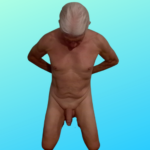



Also worth mentioning is corner time, before and after punishment, and requiring the male to present there slave positions as instructed.
Some dommes require the male to strip each item of clothing, put them in a bag, and give her the bag and the power to return it when she chooses.
The term Ma’am works well for his expression of acceptance of her authority, gender, prerogatives, and superiority over him, especially when repeated and when he is older.
Another element of protocol is duration and continuation. Sometimes, needed punishments require multiple sessions.
Mistress Geena, I really appreciated this article and the deeper meaning behind corporal punishment. I like how you explain that it is not only about the strikes, but the discipline, protocol, and mindset behind it. The parts about corner time, presenting oneself properly, clothing rituals, using respectful titles, and understanding that some lessons require patience and repetition really show the importance of structure and authority.
I’m continuing to learn that true submission is about accepting guidance, staying disciplined, and improving through the process. Thank you for sharing your knowledge and helping us understand the responsibility and meaning behind these protocols, Mistress.