
























The Responsibilities of Holding His Key

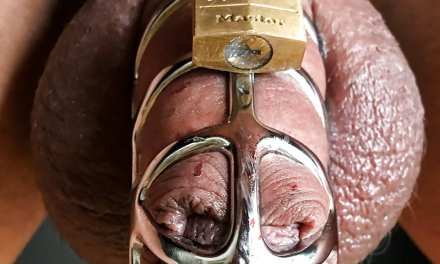
In Femdom dynamics, a keyholder is the Domme who controls access to a submissive’s orgasm, erection, and sexual release through chastity or orgasm control protocols. The role is not just about possession of a physical key. It is about authority, structure, permission, and ritualized denial. A keyholder defines how desire is acknowledged, how arousal is reported, how the body is maintained, and how requests are made or refused. When done well, these rules create clarity, erotic tension, and emotional safety for both partners.
Permission Is the Foundation
A keyholder does not react to a sub’s desire. She authorizes it.
Permission rules clarify when and how a submissive may touch himself, acknowledge arousal, or even think about release. Some Dommes require explicit permission before any erection is stimulated. Others allow involuntary arousal but forbid intentional masturbation or edging.
Clear permission rules might include:
- No touching without approval, even to adjust or relieve discomfort.
- Permission requests must be verbal or written, never assumed.
- Permission may be denied without explanation.
Denial is not cruelty here. It is reinforcement. The sub learns that desire exists for her, not for himself.
Reporting Arousal as Obedience
Arousal reporting transforms horny feelings into acts of submission.
Many keyholders require subs to report erections, wetness, or intrusive sexual thoughts. This removes secrecy and places arousal back under Domme control. Reporting is not a request. It is a confession.
Common arousal reporting rules:
- Report erections immediately, including time and trigger.
- Use respectful language, never crude phrasing.
- Include physical sensations and emotional response.
This keeps the Domme informed while conditioning the sub to associate arousal with accountability.
Hygiene Checks and Body Readiness
A keyholder owns access, which means she sets standards for cleanliness.
Hygiene rules are practical and deeply symbolic. A locked body must be clean, groomed, and inspection-ready at all times. These rules protect health and reinforce service.
Typical hygiene expectations include:
- Daily washing of genitals, cage, and surrounding skin.
- Regular shaving or trimming as instructed.
- Immediate reporting of irritation, odor, or discomfort.
Some keyholders require photo proof or in-person inspection. Others rely on trust and discipline. Either way, hygiene is non-negotiable.
How Requests Are Made
Requests are not demands. They are offerings.
A submissive asking for release, adjustment, or exception must follow a structured request format. This removes entitlement and reinforces hierarchy.
Effective request rules might require:
- A formal opening acknowledging the Domme’s authority.
- A clear, concise request with no bargaining.
- Acceptance of denial without sulking or argument.
Many keyholders enjoy denying requests simply to reinforce power. Others grant release occasionally to deepen trust. The rule is consistency, not leniency.
How Requests Are Denied
Denial is part of the job.
A keyholder is allowed to say no. She is allowed to say no kindly, teasingly, or coldly. She is also allowed to say nothing at all.
Denial rules protect the dynamic by removing debate. A denied request is final unless the Domme chooses otherwise. Subs who argue, plead excessively, or attempt manipulation may earn additional restriction.
Denial teaches patience. It also teaches devotion.
Accountability and Consequences
Rules mean nothing without follow-through.
Keyholders must decide in advance how rule-breaking is handled. Consequences should be known, proportional, and consistent.
Examples include:
- Extended lock time.
- Loss of future requests.
- Assigned chastity-focused punishments like edging denial or enforced arousal reporting.
The goal is correction, not humiliation unless humiliation is consensually part of the dynamic.
Why These Rules Matter
The keyholder role is leadership.
Clear rules reduce anxiety for submissives and prevent burnout for Dommes. They create a shared language around desire, obedience, and restraint. Most importantly, they turn chastity from a gimmick into a structure that supports long-term power exchange.
When the rules are clear, the power feels natural. When the power feels natural, submission deepens.
Wrapping Him Up Tight
Being a keyholder is not about constant control. It is about intentional control. When you define permission, arousal reporting, hygiene, and request protocols, you give your submissive a map for obedience. He stops guessing. He starts serving. And the lock becomes more than metal. It becomes meaning.
FAQ
Does every keyholder need strict rules?
No. Rules should match your dynamic. Even casual chastity benefits from a few clear expectations.
Is arousal reporting mandatory?
Only if the Domme decides it is. Many find it increases intimacy and accountability.
What if a sub breaks a rule accidentally?
Intent matters. Address it calmly, reinforce the rule, and apply consequences if appropriate.
Can a keyholder change rules later?
Yes. Rules can evolve as trust and experience grow.
Is denial always sexual?
Not always. Denial can be emotional, psychological, or symbolic, depending on the dynamic.