

























Responsible Chastity Starts With Proper Care

A chastity cage is a device worn around the penis to restrict sexual access, while a keyholder is the person entrusted with controlling its removal within an agreed relationship. Cage care includes cleaning the device, washing the skin beneath it, inspecting the genitals, and reporting problems promptly. After more than forty years in nursing, I have little patience for treating basic hygiene as an optional privilege. If you wear a cage, caring for the body inside it is part of your responsibility.
For the submissive, this means learning to do the job properly rather than assuming that standing under a shower completes it. For the Domme, it means establishing rules that allow thorough cleaning and immediate removal when health requires it. A locked penis still needs ordinary care, and the ring around the scrotum deserves just as much attention as the cage itself.
Agree on Permission Before You Need It
Discuss cleaning arrangements before the cage goes on. If your relationship requires permission to unlock, establish how that permission will work, when you should request it, and what happens if your keyholder is unavailable. A scheduled cleaning should never become an avoidable struggle to reach someone who is asleep, working, or travelling.
Standing permission is often the most practical arrangement. Your Domme might authorize removal during a particular daily washing period, with an update afterward. Alternatively, she may prefer to supervise or approve each routine removal. Either arrangement needs enough flexibility for you to clean, inspect, dry, and address anything unexpected.
Keep the request factual: “May I remove the cage for washing and inspection? I have noticed some tenderness beneath the ring.” Reporting a symptom is part of responsible participation. You should never conceal a problem because you fear disappointing your keyholder.
There must also be an explicit emergency exception. Pain, swelling, altered sensation, concerning discoloration, or difficulty urinating can require immediate action. Access to a working key or another reliable release method must be available whenever the device is worn. Emergency removal should never depend on receiving a reply.
Set a Schedule That Allows Proper Care
Daily genital washing is the foundation. Healthdirect advises regular cleaning, including gentle cleaning beneath a retractable foreskin and thorough drying. Wearing a device adds surfaces and contact points that also need attention.
My practical recommendation is to build a daily uncaged cleaning and inspection period into the arrangement, particularly when a device covers skin you cannot otherwise reach. This is a precautionary approach, not a medically validated guarantee that a particular cage is safe for prolonged wear. General genital hygiene guidance does not establish a universally safe cage schedule.
Do not assume that removal once or twice a week will adequately maintain every device or every body. An enclosed cage, substantial sweating, urine collecting inside the device, or difficulty accessing the foreskin can make that arrangement unsuitable. If you cannot clean, dry, and inspect the covered areas properly, remove the device.
Choose a time you can consistently manage, such as your morning shower. Allow additional cleaning after heavy exercise, swimming, or contamination. The schedule should support the body you actually have, including its skin sensitivity and anatomy.
A simple record can help identify patterns. Note the cleaning time, any symptoms, and whether a particular contact point repeatedly becomes sore. Recurring irritation deserves a change in the arrangement rather than increasingly determined attempts to tolerate it.
Gather Everything Before Unlocking
Prepare a clean towel, warm water, suitable device cleaner, and good lighting. Keep the manufacturer’s care instructions available, particularly if the cage contains several materials or has a coating. A small mirror can help you see beneath the penis and around the scrotum without twisting awkwardly.
Wash your hands first. Keep cleaning tools for the device separate from anything used on your body, and place removed components on a clean surface. Avoid putting a freshly cleaned ring back onto the same damp countertop where the dirty cage was sitting.
If your Domme expects a report afterward, know what information she wants. Useful observations include skin condition, discomfort, device damage, and any change in urination. A clear report serves her far better than a vague assurance that everything is “probably fine.”
Remove the Entire Device Gently
Unlock and remove the cage according to its instructions. Remove the base ring as well, where the design permits, so you can wash and inspect the skin beneath it. Cleaning only the visible cage leaves a significant contact area unattended.
Work slowly and support the device rather than allowing its weight to pull on the skin. Watch for trapped hair, pinched folds, and swelling that makes removal difficult. Do not force a component past swollen tissue.
If the device is stuck or embedded, stop trying to wrestle it off. A trapped object around the genitals needs urgent medical assistance; improvised cutting or forceful removal can cause further injury.
Wash the Penis and Surrounding Skin
Use comfortably warm water and gentle handling. Wash the shaft, the head of the penis, the scrotum, and the groin folds, including every area where the ring or cage rested. Remove visible sweat, urine residue, loose skin debris, and lint without scrubbing.
Plain water is a sensible choice for the sensitive head of the penis and beneath the foreskin. If you use cleanser on surrounding external skin, choose a mild, unperfumed product that your skin tolerates and rinse it away completely. Inflamed genital skin needs particular care: NHS guidance for balanitis recommends water or an appropriate emollient and avoiding soap or shower gel. Balanitis means inflammation of the head of the penis.
Do not apply bleach, alcohol, household disinfectant, essential oils, or strongly scented washes to your genitals. The aim is gentle hygiene, not sterilizing living tissue. Stronger products and repeated scrubbing can create irritation of their own.
Clean around the urinary opening without putting anything inside it. Cotton swabs, brushes, and narrow cleaning tools belong nowhere inside the urethra, the passage through which urine leaves the body.
If You Have a Foreskin
Gently retract it only as far as it comfortably moves, then rinse underneath. Smegma is an accumulation of shed skin cells and natural oils that can collect in this area; remove it gently rather than scraping.
After cleaning and drying, return the foreskin to its normal position covering the head. Never force a tight foreskin backward. If it becomes trapped behind the head and cannot be brought forward again, seek emergency care. This condition, called paraphimosis, can restrict blood flow.
Inspect His Penis Before Reaching for the Lock
Cleaning time is inspection time. Look at the head, shaft, foreskin if present, scrotum, and the full area beneath the base ring. Pay particular attention to the underside of the penis and places where the device presses against folds of skin.
Learn your usual appearance so changes are easier to recognize. On darker skin, inflammation may be less obvious as bright redness, so also notice tenderness, warmth, swelling, and changes in texture or color.
Check for:
- Raw patches, cracks, blisters, cuts, or bleeding.
- Persistent pressure grooves or rubbed areas.
- Swelling, itching, burning, or unusual tenderness.
- Changes in sensation, including numbness or tingling.
- New discoloration or abnormal coolness.
- Unusual discharge, sores, or a persistent unpleasant smell.
- Hair trapped around a component or constricting tissue.
An indentation alone cannot tell you whether a device fits safely. Consider the whole picture, particularly pain, skin damage, sensation, and whether the same area repeatedly becomes irritated.
Tell your Domme what you find before putting the device back on. If there is a sore patch, the correct next step may be a period without the cage and a review of its fit. Replacing it immediately can press against the same damaged area again.
Clean Every Component of the Cage
Follow the manufacturer’s instructions for the exact device. Stainless steel, silicone, plastics, resins, coatings, and locks may require different care. A cleaning method suitable for one material can damage another.
Where the instructions allow, disassemble the device and wash each washable component with warm water and mild, unperfumed soap. Clean the inside of the cage, ventilation openings, ring surfaces, joins, and removable spacers. A soft brush reserved for the device can help reach crevices, provided it does not scratch the material.
Rinse thoroughly. Soap left in a narrow opening can end up against your skin after relocking. Inspect cleaned components for cracks, rough edges, corrosion, peeling coatings, and damaged fasteners. A device with deteriorating surfaces should be taken out of use.
Do not assume that every cage can be boiled, soaked in alcohol, or cleaned with bleach. Use disinfection methods only when the manufacturer confirms they are appropriate. Do not submerge locks unless their instructions permit it, and keep mechanical lubricants intended for lock maintenance away from genital contact surfaces.
Dry the Body and the Device Completely
Pat the skin gently with a clean towel and allow remaining moisture to evaporate. Dry the underside of the penis, the scrotal folds, and the areas where the ring sits. Drying thoroughly is an important part of genital hygiene.
Dry the device separately, including recesses and joins. A cage can look dry on the outside while retaining water inside. Do not rush to relock simply because the washing itself is finished.
Avoid trying to solve dampness with genital deodorant or perfumed powder. Give yourself adequate time and access to dry properly. The cleaning period ends when the care is complete, rather than when an arbitrary timer expires.
Relock Only When the Body Is Ready
Before replacing the device, confirm that the skin is intact, comfortable, and dry. Check that the parts are correctly assembled, the foreskin is in its normal position, and no hair or skin fold is trapped.
If the manufacturer recommends a lubricant for fitting, use only a compatible product that your skin tolerates, in the amount advised. Lubricant cannot correct an unsuitable ring or disguise an area already becoming sore. Avoid numbing products that could mask developing pain.
After fitting, check comfort while standing, sitting, and moving. Make sure you can urinate normally. Continue observing the fit after relocking, since swelling and discomfort may develop later.
If you need force, persistent pressure, or acceptance of pain to make the device fit, stop and reassess. A successful cleaning does not oblige you to put the cage back on.
Maintain Hygiene Between Full Cleanings
After urinating, gently blot accessible moisture and check for urine collecting inside the cage. Sitting to urinate may improve control for some wearers. Any rinse must be followed by proper drying, and it does not replace removal when covered surfaces need cleaning.
Change damp underwear and sweaty exercise clothing promptly. After heavy sweating, check the skin and device rather than waiting automatically for the next scheduled cleaning.
Avoid squeezing wipes through openings or probing beneath the cage with tools. These approaches can leave residue, scratch skin, and still fail to clean hidden areas. If the design prevents adequate access, unlocking is the practical solution.
Know When Cleaning Is No Longer Enough
Remove constricting components promptly if you develop pain, swelling, numbness, abnormal coolness, or concerning discoloration, provided they can be removed safely. Seek emergency care for a stuck device, inability to urinate, severe genital pain, or sudden testicular pain. A tight object can obstruct blood flow, and a trapped device needs professional removal.
Arrange medical assessment for persistent irritation, sores, unusual discharge, painful urination, or symptoms that recur whenever you wear the cage. Genital irritation has several possible causes, including dermatitis, infection, and sexually transmitted infections; cleaning alone cannot establish which one is responsible.
Leave the device off while the problem is assessed and treated. Do not experiment with steroid, antibiotic, or antifungal creams simply because you have one in the bathroom cabinet. The treatment should match the diagnosis.
A Well Cared For Sub Reports Early
A reliable submissive learns the routine, keeps the schedule, and speaks plainly about his body. Your Domme can set expectations for permission, presentation, and reporting, while you take responsibility for completing each part of the care. Clean thoroughly, inspect honestly, dry patiently, and raise concerns early. Those habits protect your health and make any continuing chastity arrangement easier to manage responsibly.
Frequently Asked Questions
How often should a submissive clean his chastity cage?
Genital washing should be daily. Plan regular removal so the skin and every contact surface can be cleaned, dried, and inspected. Daily uncaged care is a cautious practical approach, but there is no universally validated cleaning interval that makes every device safe for prolonged wear.
Should he ask permission before removing it for cleaning?
He can follow an agreed permission system for routine cleaning, including standing permission at scheduled times. Emergency removal must always be allowed without waiting for approval.
Can he clean adequately without removing the cage?
Accessible surfaces may be rinsed between cleanings, but covered skin, the inside of the device, and areas beneath the ring require proper access. If those areas cannot be cleaned, dried, and inspected, remove the device.
What should he use to wash his penis?
Use comfortably warm water and gentle handling. Avoid fragranced products and harsh disinfectants. Plain water is particularly suitable for the head and beneath the foreskin; inflamed skin may need advice from a clinician.
What should he inspect during cleaning?
Check the penis, foreskin, scrotum, and ring contact areas for skin damage, swelling, tenderness, discoloration, altered sensation, discharge, and trapped hair. Also report changes in urination.
When should he leave the cage off?
Leave it off if the skin is sore, damaged, swollen, or otherwise concerning, or if the device itself is damaged. Seek medical advice when symptoms persist or recur, and emergency care for a trapped device or serious symptoms.








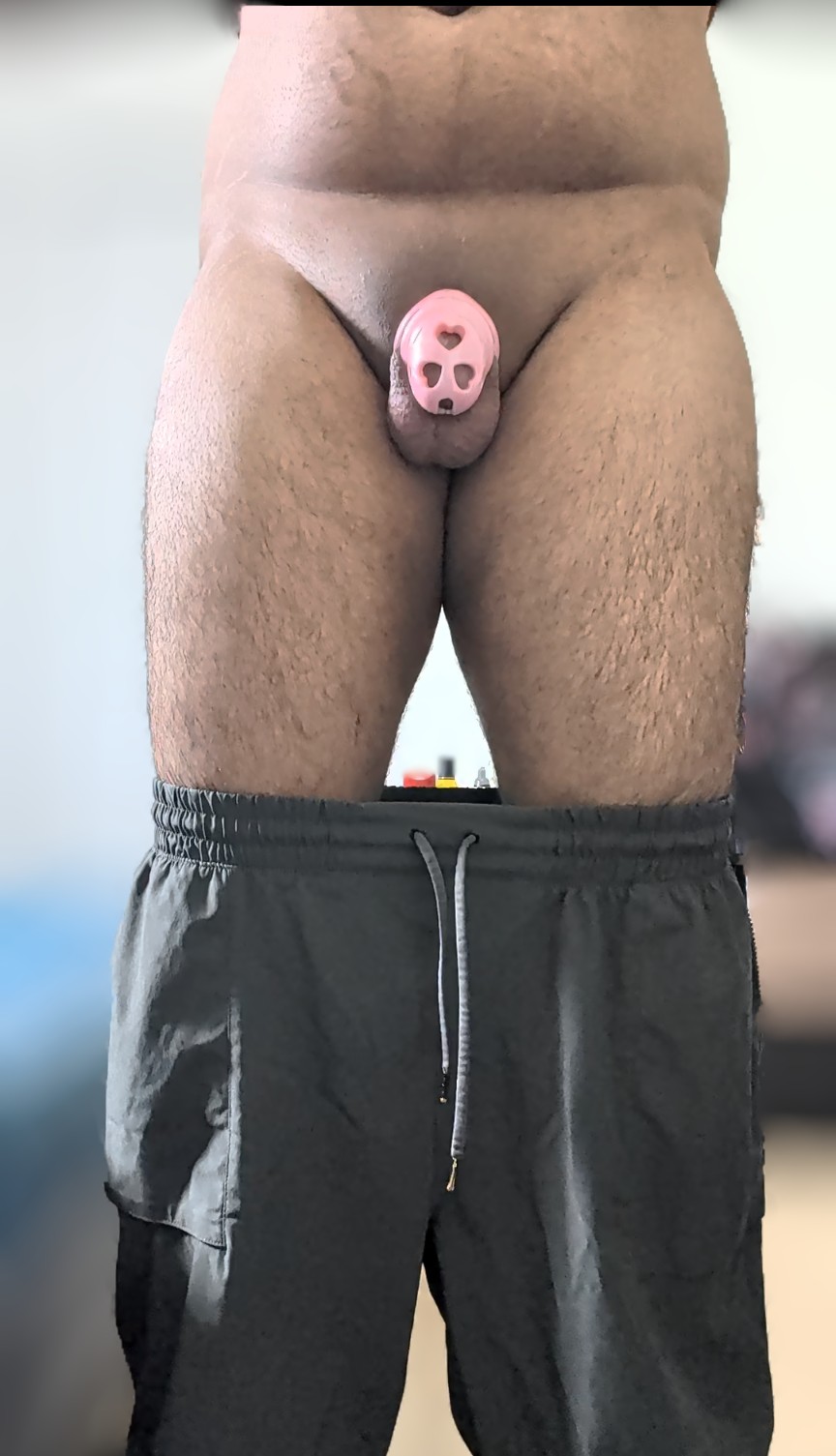
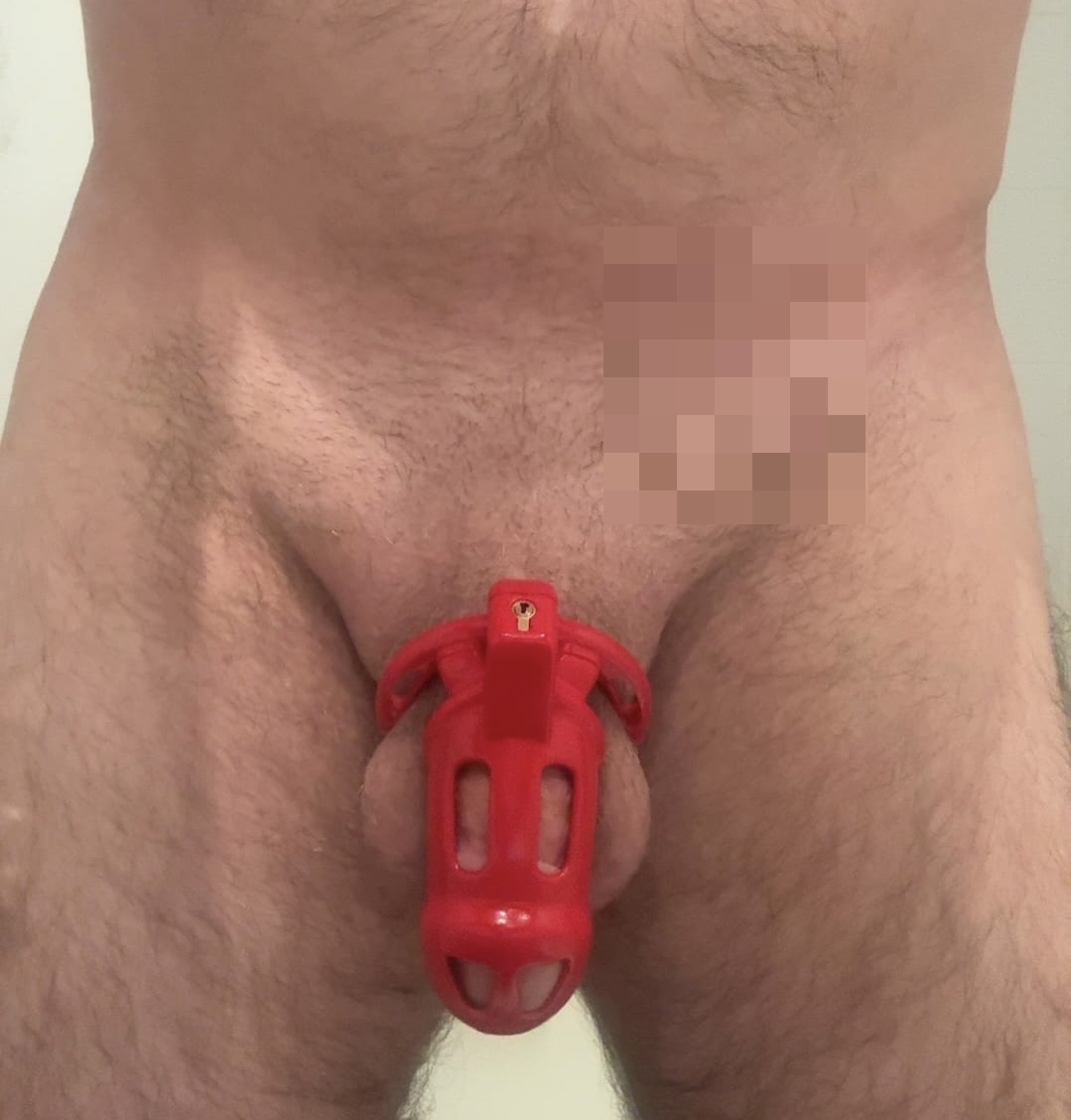







Good post for both submissive and domme. Does poor service call for corporal punishment?
Jesus! I got hard just from hearing about the ball paddling. Great way to spend the day.
I really enjoyed this article Mistress Heather. I would be honored to participate if my owner commanded me to. Very…
While I love most of the points you make in the article, the image of the knife in the illustration…
Hello Madam, I really liked your ways of keeping the anticipation after getting locked.