

























Understanding Circulation Risks in Bondage
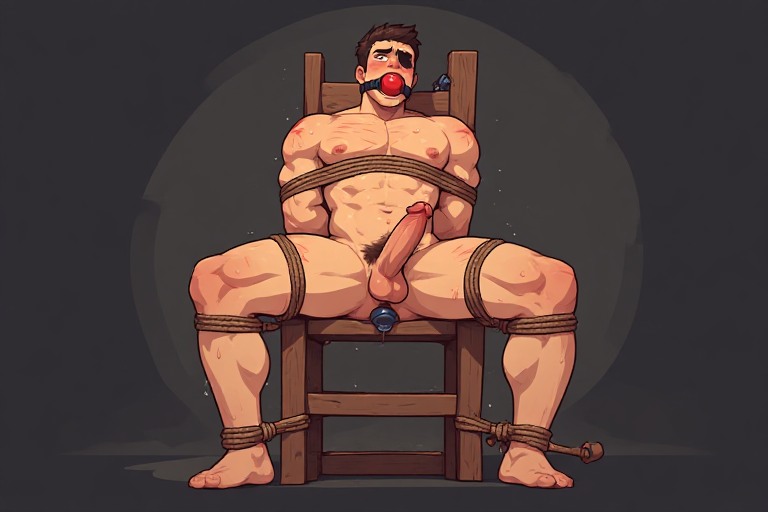
Bondage is the practice of restraining a partner’s movement for erotic, psychological, or power exchange purposes. In femdom dynamics, bondage is often used to reinforce helplessness, obedience, vulnerability, and control. But while ropes, cuffs, tape, straps, and restraints can create intense erotic experiences, they also introduce very real physical risks. One of the most important safety concerns in bondage is circulation restriction, which can lead to numbness, tingling, nerve compression, bruising, tissue damage, or more serious medical emergencies if ignored.
A restrained submissive may not always recognize danger quickly, especially if arousal, adrenaline, fear play, or humiliation are involved. That means the dominant partner must actively monitor the body, not just the scene. Good bondage is not simply about tying someone up. It is about doing so responsibly, attentively, and with full awareness of how the body responds under pressure.
Why Circulation Problems Happen
Circulation issues occur when restraints compress blood vessels or nerves too tightly, or when the body remains in one position too long. The wrists, ankles, upper arms, thighs, and behind the knees are especially vulnerable because nerves and major blood vessels pass close to the surface in these areas.
Inexperienced dominants sometimes assume that tighter bondage equals safer bondage because the restraints feel more secure. In reality, excessively tight restraints are one of the fastest ways to create injury.
A submissive tied to a bed with wrists pulled tightly against the frame may initially feel only pressure. Twenty minutes later, their fingers may begin tingling. Another ten minutes after that, they may lose sensation entirely. In severe cases, nerve damage can linger for weeks or months.
The danger becomes greater during emotionally intense scenes because submissives often hesitate to “ruin the moment” by speaking up. Some push through discomfort because they want to please their Domme. Others mistake warning signs for part of the excitement. Pain can be consensual. Injury is not.
Understanding the Warning Signs
Every dominant should know the early indicators of circulation restriction and nerve compression.
Watch for:
- Numbness
- Tingling or “pins and needles”
- Cold skin
- Swelling
- Pale, bluish, or purple coloration
- Burning sensations
- Weakness in hands or feet
- Loss of movement
- Complaints that restraints feel “sharp” instead of firm
The submissive’s body language also matters. A sub trying to flex their fingers repeatedly, shaking their hands, or subtly repositioning themselves may already be experiencing discomfort they have not verbalized yet. One of the biggest mistakes people make is assuming that silence means everything is fine. Many submissives endure warning signs far longer than they should.
The Difference Between Discomfort and Danger
Bondage naturally creates discomfort. Muscles become fatigued. Joints stiffen. Pressure builds in certain positions. That alone does not mean something is medically wrong.
The key difference is whether the sensation improves with small adjustments or continues worsening over time.
For example, a sub kneeling with wrists cuffed behind his back may feel shoulder fatigue after fifteen minutes. That is expected. But if his hands begin turning pale and he cannot fully move his fingers, the scene needs immediate adjustment.
Likewise, rope marks after a session are common. Deep bruising, lingering numbness, or loss of sensation are not normal “battle scars.” They are warning signs that the body was pushed too far.
Why Nerve Compression Is Especially Dangerous
Many people focus only on blood flow, but nerve compression can actually become the bigger problem in bondage. Nerves are fragile. Sustained pressure against certain areas can temporarily or permanently impair sensation and movement. The radial nerve in the upper arm, the ulnar nerve near the elbow, and nerves around the wrist are common trouble spots.
A submissive tied with arms overhead for too long may develop shooting pain or weakness in their hands even if circulation appears normal. Unlike temporary soreness, nerve injuries can take months to heal.
This is why educated dominants avoid copying elaborate internet bondage photos without understanding the underlying anatomy. A position that looks beautiful in a photograph may only have been held safely for thirty seconds during the shoot.
Safer Bondage Practices
The safest bondage scenes are built around constant monitoring and gradual progression. Start with shorter sessions. A new submissive should not immediately spend an hour tightly restrained in complicated positions. Learn how their body responds first.
Use restraints that distribute pressure evenly. Wide leather cuffs are often safer than thin cords or improvised restraints that dig into the skin. Check extremities frequently. Touch the hands and feet. Ask the submissive to wiggle fingers and toes. Compare skin temperature and color.
Avoid leaving restrained body parts unsupported for extended periods. Hanging weight from bound wrists or forcing joints into extreme positions dramatically increases injury risk. Keep safety shears nearby during rope bondage. Emergencies happen quickly.
Most importantly, normalize communication. A submissive should never fear disappointing their Domme by reporting numbness or pain. In healthy femdom dynamics, speaking up about safety is part of obedience, not failure.
Psychological Factors That Increase Risk
Some bondage scenes intentionally involve fear, helplessness, objectification, or intense power exchange. Those emotional elements can cloud judgment on both sides. A dominant caught up in the thrill of control may overlook warning signs. A submissive desperate to prove endurance may ignore their own body.
This becomes especially dangerous in humiliation scenes, punishment dynamics, or consensual non-consent roleplay where the submissive may feel psychologically pressured to “take it.” Good dominants actively compensate for this by checking in even when the submissive insists they are fine. A calm “Show me your hands” or “Tell me honestly what you’re feeling right now” can prevent serious injury.
Aftercare and Recovery
Circulation monitoring does not end when the restraints come off. Some symptoms appear afterward, especially once blood flow returns fully to compressed areas. A submissive may notice delayed tingling, soreness, weakness, or unusual sensitivity.
Aftercare should include:
- Gentle movement and stretching
- Hydration
- Monitoring for lingering numbness
- Checking skin for bruising or swelling
- Emotional reassurance if the scene was intense
If numbness persists, pain worsens, or movement becomes impaired, medical attention may be necessary. Do not dismiss ongoing symptoms as “just part of kink.” Responsible BDSM culture includes recognizing when professional care is appropriate.
Control Means Responsibility
Bondage can be deeply erotic because it creates surrender, vulnerability, and helplessness. For many submissives, being unable to move while a trusted Domme takes complete control is one of the most psychologically powerful experiences imaginable.
But restraint also creates responsibility. A dominant controls not only the scene, but the submissive’s physical safety within it. Monitoring circulation, preventing nerve compression, and recognizing warning signs are not optional extras for experienced players. They are part of the job.
The best bondage scenes are not the ones that leave a submissive injured. They are the ones where the submissive feels safe enough to surrender completely because they trust the person holding the restraints.
FAQ
Can bondage actually cause permanent injury?
Yes. Improper restraints, extreme positions, or ignoring warning signs can cause nerve damage, circulation problems, joint injuries, and other long-term complications.
How tight should restraints be?
Restraints should feel secure but not constricting. You should generally be able to slide a finger beneath cuffs or rope, though exact tightness depends on the material and position.
What should I do if a submissive reports numbness?
Stop and assess immediately. Loosen or remove restraints, restore circulation, and monitor symptoms carefully. Persistent numbness may require medical evaluation.
Are rope marks dangerous?
Temporary light rope marks are common. Deep bruising, swelling, discoloration, or lingering numbness are signs the bondage may have been unsafe.
Is suspension bondage riskier?
Yes. Suspension significantly increases strain on nerves, joints, and circulation. It requires advanced training, proper equipment, and strong understanding of anatomy.















Thank You Mistress! As far as the pink cage goes, I will let You and Mizz Geena make that decision.…
Good boy mayi. Short and sweet. I think keeping you in the pink cage should be your norm, but Mizz…
Im A great mommy mistress I really love to know about wax FemDem
Beautifully handled, Duckie—though I suspect Madam is going to have a hard time getting her favorite toy back!
duckie, it would be wonderful if all women could have a boy as obedient, helpful, and useful as you are.