

























What Prolonged Arousal Really Does to His Body

Prolonged arousal is a state where sexual excitation is intentionally maintained without orgasm. In femdom and power-exchange contexts, this is often called edging or orgasm denial. Edging refers to repeated stimulation of the penis and associated erogenous zones to near-orgasm, followed by reduction or removal of stimulation. Orgasm denial means intentionally preventing ejaculation entirely. Both practices create predictable physiological responses in the body that can be understood clearly, safely, and without fear.
As a nurse, I want to explain what actually happens in the penis, testicles, pelvic muscles, nervous system, and circulatory system during prolonged arousal, using accurate anatomy and plain language. This is education, not a warning label.
The Arousal Cycle and What Edging Interrupts
Sexual arousal follows a well-studied physiological sequence: excitement, plateau, orgasm, and resolution.
During excitement, blood flow increases to the penis, causing erection. The testicles elevate toward the body as the cremaster muscle contracts. Pelvic floor muscles engage. Heart rate and blood pressure rise slightly.
During the plateau phase, arousal intensifies. The penis remains engorged, sensitivity increases, and the nervous system maintains heightened sexual focus.
Edging deliberately holds the body in the plateau phase. Orgasm is delayed, so the body does not enter resolution. This is not harmful on its own. It simply means certain systems stay activated longer than usual.
Blood Flow, Pressure, and the Penis
An erection is caused by increased arterial blood flow into the corpora cavernosa of the penis, with reduced venous outflow. During prolonged arousal, this engorgement is sustained.
This can create sensations of fullness, tightness, or aching in the shaft or glans. Some men describe a heavy or throbbing feeling. These sensations are caused by vascular congestion, not injury.
As long as the erection is periodically allowed to soften and blood flow is not mechanically restricted by devices or extreme compression, this vascular state is considered safe for healthy individuals.
Testicles, Epididymis, and Pelvic Discomfort
The testicles produce sperm continuously. During arousal, sperm and seminal fluid move into the epididymis and vas deferens in preparation for ejaculation.
When orgasm is delayed repeatedly, pressure can build in these structures. This is often called epididymal hypertension, sometimes referred to casually as blue balls. The correct term matters because it is temporary and self-resolving.
Symptoms may include:
- Dull aching in the testicles or lower abdomen
- A sense of heaviness in the scrotum
- Mild pelvic discomfort
This is not dangerous. It resolves through orgasm, reduction in arousal, or simply time as the body reabsorbs seminal fluid.
Pelvic Floor Muscles and Fatigue
The pelvic floor muscles support the bladder, rectum, and sexual organs. During edging, these muscles remain partially contracted for extended periods.
This can lead to muscle fatigue, twitching, or soreness similar to holding any muscle under tension. Hydration, stretching, and allowing the body to fully relax between sessions reduces this effect.
Long-term pelvic floor harm does not occur from edging alone. Problems arise only when individuals clench excessively, avoid relaxation entirely, or combine edging with anxiety or poor breathing.
Nervous System Effects and Sensory Heightening
Prolonged arousal keeps the sympathetic nervous system engaged. This increases alertness, focus, and sensitivity. Touch to the penis, glans, perineum, and nipples may feel sharper or more intense.
Some individuals experience mild irritability or restlessness if arousal is sustained for many hours without release. This is a normal neurological response to stimulation without resolution.
In consensual dominance dynamics, this heightened state is often intentionally used to deepen psychological surrender and attentiveness.
Hormones and Neurochemistry
Edging alters the timing of dopamine and prolactin release.
Dopamine rises during anticipation and arousal. This contributes to focus, craving, and motivation. Orgasm normally causes dopamine to drop and prolactin to rise, creating relaxation and satisfaction.
When orgasm is delayed, dopamine remains elevated longer. This is why prolonged arousal can feel mentally consuming or emotionally intense. Once orgasm occurs or arousal subsides, hormone levels normalize.
There is no evidence that healthy adults suffer long-term hormonal disruption from orgasm denial.
When Discomfort Becomes a Signal
While edging is physiologically safe for most people, the body still communicates boundaries.
Stop or adjust if there is:
- Sharp or stabbing pain in the testicles
- Numbness, discoloration, or coldness in the penis
- Persistent pain lasting more than several hours after arousal ends
These are rare and usually related to compression, dehydration, anxiety, or preexisting conditions rather than arousal itself.
Practical Health Guidance for Prolonged Arousal
- Allow erections to soften periodically
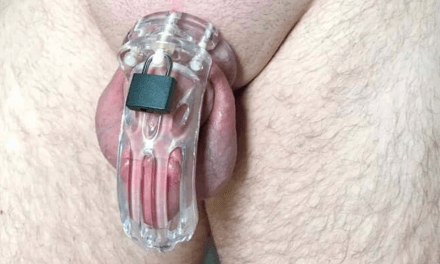
- Avoid tight devices that restrict blood flow unless properly designed
- Stay hydrated
- Breathe normally and avoid constant pelvic clenching
- Communicate clearly in power-exchange dynamics
Edging should feel intense, not injurious.
Why This Matters in Femdom Dynamics
Understanding the physical effects of prolonged arousal allows dominants to apply control intelligently and safely. Knowledge removes fear and replaces it with confidence.
A submissive who understands his body can surrender more fully. A Domme who understands physiology can push edges without crossing into harm.
This is how power becomes deliberate rather than reckless.
Control With Care
Prolonged arousal is not a medical emergency, a myth, or a ticking clock. It is a controllable physiological state that responds predictably to stimulation and rest.
When practiced consensually, with communication and awareness, edging becomes a powerful tool of erotic control that respects the body while commanding it.
Knowledge is part of dominance. Safety is part of authority.
FAQ
Is edging dangerous for the penis or testicles?
No. In healthy adults, edging does not cause damage when blood flow is not restricted and discomfort is respected.
Can prolonged arousal cause infertility?
No. Sperm production continues normally, and unused seminal fluid is reabsorbed by the body.
Why do the testicles ache during orgasm denial?
This is epididymal hypertension caused by temporary pressure buildup. It resolves naturally.
How long is too long to stay aroused?
There is no universal time limit. Pay attention to pain, numbness, or color changes.
Does frequent denial affect testosterone levels?
No clinically significant long-term changes have been shown in healthy adults.














Thanks for this information Nursedomme Jessica! Very good stuff to know! In addition to the myths and misinformation surrounding the health of edging on the short-term, I see a lot of confusion around how often a male should ejaculate for prostate health. I would love any information you may have on that subject as well. Thank you for all you do to keep us subs healthy!
Excellent article. My group has experienced one or more of these warning signals, for a couple of the boys, after prolonged arousal, and early on in our practice of it … just a few months into using our gaming table when most of the time was spent with him in cock rings, and after hours of repeated stimulation (bound to the table). We had relaxation intervals but they weren’t enough. Over time and continued development – of both the boys and our practices – haven’t had an issue in a couple years.