

























How to Plan a Scene From Start to Finish
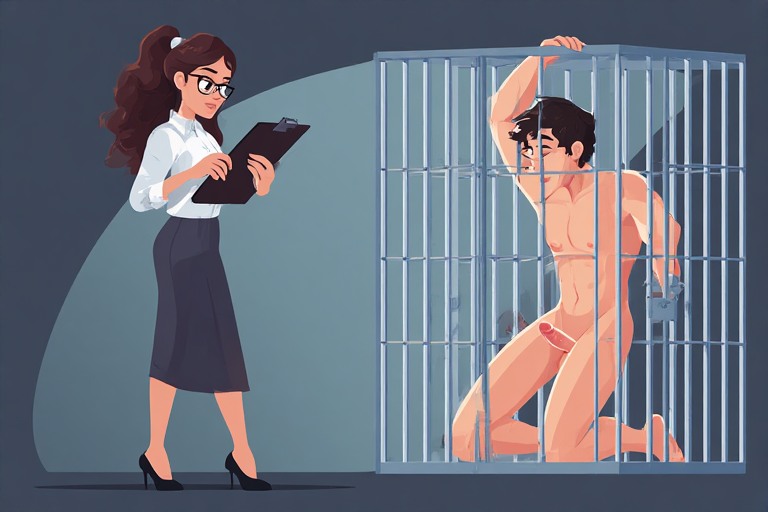
A scene in Femdom is a structured interaction where a Dominant designs an experience and a submissive consents to enter it with defined roles, limits, and outcomes. Pre-scene negotiation is the process of discussing boundaries, desires, and expectations before anything begins. Execution is the active portion of the scene itself, where control is expressed through actions, positioning, and direction. Aftercare is the intentional physical and emotional support that follows, ensuring both partners return safely to baseline.
When done properly, a scene is not random. It is designed. It has purpose, pacing, and a clear emotional arc. Whether I am working with my husband Cody or guiding my service sub Ben, every scene I run follows a structure. That structure is what allows intensity without chaos.
Step 1: Pre-Scene Negotiation
Before anything physical happens, there is a conversation. This is where authority is built on trust, not assumed through force.
You need to establish:
- Hard limits. These are non-negotiable boundaries.
- Soft limits. These may be explored cautiously.
- Desired outcomes. Is this training, punishment, humiliation, or pleasure-focused control?
- Safewords or signals. Clear, understood, and respected.
With Cody, for example, I might say:
“Tonight is discipline. You failed a task. This is corrective.”
With Ben, it might be:
“You’re being used tonight. No performance expectations. Just obedience.”
Same structure. Different intention.
Also discuss physical readiness:
- Is he sore from previous sessions?
- Has he eaten, hydrated, slept?
- Any injuries or stress factors?
This is not optional. It is responsible dominance.
Step 2: Scene Design and Setup
Once you know the goal, you build the environment.
Ask yourself:
- Where is this happening?
- What tools are needed?
- What positions will be used?
- What is the escalation path?
If I am planning a discipline scene:
- I set up restraints first.
- Lay out implements in order of intensity.
- Prepare the space so I never have to “pause and think.”
If I am planning a control-based service scene:
- I might position him kneeling at a fixed location.
- Ensure everything I need is within reach.
- Remove distractions so he stays focused on me.
Example setup:
Cody is kneeling at the foot of the bed, wrists secured. I have already decided the progression. Verbal correction, followed by measured physical punishment, followed by a quiet holding phase where he reflects.
Ben, on the other hand, might be positioned and left waiting. The setup itself becomes part of the control. The anticipation is intentional.
Your setup should communicate authority before you even touch him.
Step 3: Opening the Scene
Do not rush into action. The opening sets tone.
Use:
- Eye contact
- Clear commands
- Controlled pacing
I often begin with something simple:
“Look at me. You are here to be used.”
Or:
“You know why you’re here. Say it.”
Make him speak his role. That moment shifts him mentally into submission.
This is where you establish:
- Silence rules
- Position expectations
- Permission protocols
Example:
“If you move without permission, the consequences increase.”
You are defining the rules of the world he is entering.
Step 4: Execution and Control
This is the active phase. This is where many people lose structure.
Do not improvise blindly. Follow your plan while adapting to his responses.
Focus on:
- Pacing. Build intensity gradually.
- Observation. Watch breathing, tension, reactions.
- Consistency. Your reactions should match your stated rules.
If the scene is punishment:
- Stay measured. Do not act out of anger.
- Deliver consequences evenly and intentionally.
If the scene is service:
- Reinforce his role repeatedly.
- Do not reward effort with attention unless that is part of the design.
Example scenario:
Cody fails to hold position. I pause, correct him verbally, then repeat the task. If he fails again, escalation follows. The structure teaches him.
Another scenario:
Ben is positioned for service while I continue my evening. I may ignore him for long stretches. That is not neglect. That is the point. His purpose is function, not interaction.
You are always in control of:
- When things intensify
- When they pause
- When they shift
Step 5: Recognizing Limits and Adjusting
Even in a well-planned scene, you must stay responsive.
Watch for:
- Changes in breathing
- Loss of focus or awareness
- Physical distress
- Emotional overwhelm
If a safeword is used:
You stop. Immediately.
If he is struggling but has not safeworded:
You assess. Adjust intensity or pause.
Control includes knowing when to ease off.
Step 6: Closing the Scene
Do not just stop.
A proper ending transitions him out of submission safely.
Ways to close:
- Return him to a neutral position
- Remove restraints slowly
- Lower your tone and intensity
I often say:
“Stay still. Breathe. It’s over.”
That clarity matters.
Do not leave him guessing if the scene is finished.
Step 7: Aftercare
Aftercare is not optional. It is part of the scene.
This can include:
- Physical comfort such as blankets, water, or gentle touch
- Verbal reassurance or debriefing
- Quiet presence
With Cody, aftercare often includes discussion. We talk about what worked, what did not, and how he felt.
With Ben, aftercare might be quieter. A hand on his shoulder, a simple acknowledgment:
“You did well.”
Different subs need different forms of care.
The key is this:
You brought him down into submission. You are responsible for bringing him back up.
Common Mistakes to Avoid
- Skipping negotiation because “you know each other”
- Starting without a clear goal
- Losing control of pacing
- Ignoring physical or emotional signals
- Ending abruptly without closure
- Treating aftercare as optional
Every one of these breaks trust.
Final Thoughts: Control Is Built, Not Assumed
A well-planned scene is not about being intense. It is about being deliberate. When you take the time to design, communicate, and execute with purpose, your authority becomes undeniable.
He does not submit because you are loud or forceful. He submits because you are consistent, controlled, and intentional in everything you do.
That is what makes a scene powerful.
FAQ
Do all scenes need formal negotiation every time?
No, but key elements should always be confirmed. Even in established dynamics, checking readiness and intent is essential.
What if the sub wants spontaneity?
You can create the feeling of spontaneity while still planning structure behind the scenes. Control should never be abandoned.
How long should a scene last?
It depends on intensity and purpose. Some scenes last 15 minutes. Others can extend over hours. Focus on quality and pacing rather than duration.
What if I lose my place during a scene?
Pause confidently. Maintain authority. Regain control and continue. Preparation reduces this risk.
Is aftercare always physical?
No. Some subs need quiet, space, or verbal grounding instead of touch. Learn what works for each individual.














This is pretty much the way we introduced all our boys to servicing each other. Except we judged in advance…
A couple postscripts: 1 - Truth is that it took adjustment by some of the Ladies before they came around…
Good article. Like the term. SOP here, for years. Expected. And not a single one of them (the boys) could…
Zeek, I totally agree with your comments. I am totally devoted to Mizz Geena and trust her completely. I would…
Fair response thank you, but no you are right a no doesn’t need to be explained. It can for sure…