
























Play Ownership vs Real Ownership: What You Need to Know
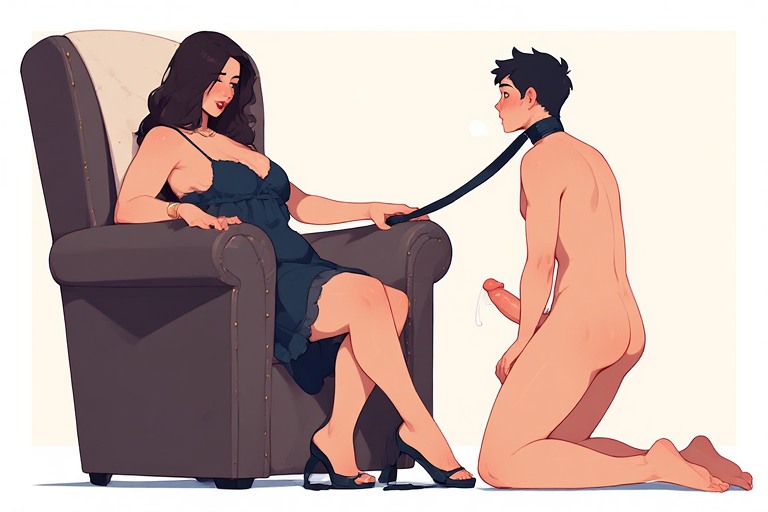
Ownership is one of the most misunderstood terms in femdom. At its core, ownership describes a dynamic where a submissive offers control of his behavior, choices, and sometimes his identity to a Dominant woman. Within that, there are two very different expressions. Play ownership is temporary, scene-based control that exists within a defined timeframe. Real ownership is a lifestyle structure where authority continues beyond any single moment and shapes daily life. Understanding that distinction is essential before anyone claims or accepts the word.
I live in the latter. My boys are not submissive only when it is convenient or when a scene is active. They are mine in a practical, ongoing sense. They live with me, serve me, and depend on me for stability. I provide structure, expectations, and the environment they exist in. That is not roleplay. That is the framework of their lives.
What Play Ownership Actually Means
Play ownership is where many people begin, and it can be deeply fulfilling when it is clearly defined. In a scene, a submissive may be treated as property, given commands, and placed under strict control. His movements, speech, posture, and responses can all be directed by the Domme. For that period of time, the dynamic can feel absolute.
But it has a boundary. When the scene ends, so does the ownership. The submissive returns to his independent life, making his own decisions again. Even in extended roleplay or weekend dynamics, there is an understanding that the control is temporary.
The responsibility of the Domme in that space is real, but it is contained. She is responsible for safety, consent, and the experience within that moment. Once it ends, her authority does as well. That does not diminish its intensity, but it defines its limits.
Living Ownership as Structure
Real ownership does not switch off. It is not dependent on mood, time, or setting. It becomes part of the daily rhythm.
In my home, my boys exist within a structure I have created. Their roles are defined by what I need, not by what they feel like doing. One may be handling responsibilities around the house while another is serving me sexually. Their purpose is not to seek attention or validation, but to fulfill what is expected of them.
That consistency is what separates lifestyle ownership from play. There is no reset button at the end of the night. Their behavior, discipline, and expectations carry forward into the next day and the next.
This is where many submissives misunderstand what they are asking for when they say they want to be owned. They imagine the intensity of control, but not the permanence of it.
The Weight of Responsibility
Ownership is not only about control. It is about responsibility, and that responsibility increases dramatically in a lifestyle dynamic.
If I take ownership of a man, I am accountable for the structure of his life within my control. That includes how he functions, how he serves, and how he is maintained. Providing a place to live, ensuring stability, and setting expectations are all part of that role.
This is not something to approach casually. It requires consistency, attention, and a willingness to manage another person’s daily structure. In play ownership, responsibility is intense but temporary. In real ownership, it is ongoing and integrated into everyday life.
That difference alone should make anyone pause before using the term lightly.
The Submissive Reality Check
Many submissives are drawn to the idea of being owned, but they often focus on the appealing parts. They imagine being guided, directed, and desired. What they do not always consider is the loss of autonomy that comes with it.
Under real ownership, there is less negotiation. There is less flexibility based on mood. There is an expectation of consistency, obedience, and reliability. Service is not something performed when it feels good. It is something that is expected.
This is why I insist on clarity before moving forward with anyone. A submissive needs to understand that ownership is not just about being controlled. It is about living within that control.
I strongly recommend a trial period for anyone considering this dynamic. During that time, I observe how well he follows instructions, how he handles correction, and whether he can maintain consistency without constant reassurance. It also gives him the opportunity to experience the structure before committing to it fully.
A trial reveals the truth quickly. Fantasy tends to fade when faced with routine.
Why Clarity Protects Everyone
When people blur the line between play ownership and real ownership, problems follow. Expectations become mismatched, and both parties can feel frustrated or misled.
A submissive may expect constant attention or excitement, while the Domme expects steady service and discipline. Without clear understanding, the dynamic cannot function properly.
Clarity protects both sides. It ensures that consent is informed, expectations are aligned, and the relationship is built on reality rather than assumption. Ownership, when real, affects more than just isolated moments. It shapes behavior, structure, and long-term interaction.
That is not something to leave undefined.
Ownership Is a Commitment
Ownership is easy to say, but difficult to live.
Play ownership offers intensity and exploration within a safe and limited container. It allows people to experience control without long-term obligation. There is value in that, and it should not be dismissed.
Real ownership, however, is a commitment that extends into daily life. It requires structure, discipline, and responsibility from both the Domme and the submissive. It is not built on occasional moments, but on consistency over time.
If you are going to use the word ownership, understand what you mean by it. If you are offering it, be prepared to uphold it. And if you are seeking it, be certain you are ready for what it demands.
Because once ownership becomes real, it is no longer a fantasy. It becomes a way of living.
Worth Claiming
Ownership is not about intensity alone. It is about consistency, responsibility, and structure that holds over time. The difference between play and reality is not just duration, but depth. When done correctly, both forms have their place. The key is knowing which one you are stepping into and accepting everything that comes with it.
FAQ
What is the difference between play ownership and real ownership?
Play ownership is temporary and limited to a scene or defined period. Real ownership is ongoing and shapes daily behavior, expectations, and structure.
Is real ownership common in femdom?
It is less common than play ownership because it requires a higher level of commitment and responsibility from both parties.
Why should submissives try a trial period first?
A trial helps both the Domme and the submissive understand if they can handle the expectations and structure of a lifestyle dynamic before committing fully.
Can a dynamic shift from play to real ownership?
Yes, but it should be gradual and intentional, with clear communication and proven consistency over time.
What is the biggest misconception about ownership?
That it is only about control and excitement. In reality, it is about discipline, structure, and long-term responsibility.














Thank you for clearly defining the differences between play and real ownership Mizz Geena!
So many people decide they’re into something without really understanding it. Always, _always_ talk everything out. Don’t let fear or embarrassment keep you from sharing what you want with your partner, regardless of which side of the dynamic you’re on. You both need to get out of it what you want, or it will fall apart.
This is why I’m glad FemdomU exists, because nowhere else have I gotten such good explanation or discussion about what service and expectation actually are. I don’t know yet if I’m a good sub, but I know I’m in the right place to find out.