























Pain Training as Conditioning Not Punishment
Understanding Pain Training from the Start
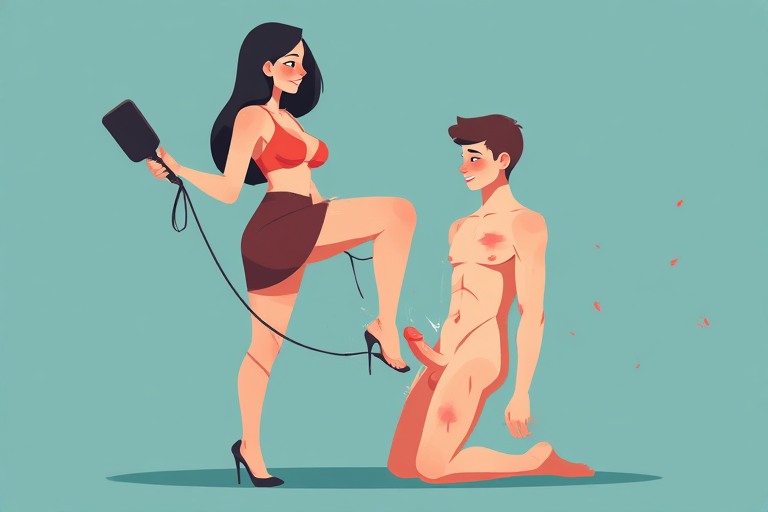
Pain training is a structured femdom practice that uses controlled physical sensation to condition a submissive’s responses over time, rather than punishing a single failure. In this context, pain means consensual impact or stress applied with intent, conditioning refers to repeated exposure that reshapes behavior and mindset, and obedience is the learned ability to remain composed, responsive, and attentive under pressure. This is not about anger or correction. It is about training his nervous system and his attitude to serve calmly, even when discomfort rises.
Punishment vs Conditioning and Why the Difference Matters
Punishment is reactive. He broke a rule, so pain follows as a consequence. Conditioning is proactive. Pain is introduced deliberately to teach endurance, focus, and emotional control. When you frame pain as conditioning, the submissive understands that each strike or squeeze is part of a longer arc. He is not being hurt because he failed. He is being trained because he belongs in your control.
This shift changes how he receives sensation. Instead of flinching and bracing for the end, he learns to settle into it. He listens better. He counts better. He breathes when told. That is obedience taking root.
Building Tolerance Without Chasing Extremes
Effective pain training starts well below his limits. Tolerance is not built by overwhelming him. It is built by repetition, predictability, and gradual escalation. You might begin with light impact delivered in measured sets. The goal is consistency, not spectacle. Over weeks or months, his body adapts and his reactions smooth out.
A trained submissive does not thrash or beg prematurely. He stays present. He holds position. He answers questions clearly while sensation continues. That is conditioning working as intended.
Composure as the Real Lesson
Pain training teaches composure more than toughness. Anyone can grit their teeth for a moment. Conditioning teaches him to relax his shoulders, unclench his jaw, and stay open to instruction. You may require eye contact during impact or verbal responses between strikes. These small requirements separate raw pain from training.
When he learns that losing composure displeases you more than showing discomfort, his priorities shift. Serving you correctly becomes more important than avoiding sensation.
Obedience Through Ritual and Structure
Pain training works best when it follows a ritual. Warm-up, position, cadence, and cooldown should be familiar. Ritual tells his body what is coming and what is expected. It also reinforces your authority. You are not improvising pain. You are administering training.
Many Dommes incorporate counting, posture commands, or service tasks immediately after a pain set. This teaches him to transition smoothly from endurance to usefulness. Pain does not end his role. It sharpens it.
The Submissive Mindset During Conditioning
For the submissive, pain training becomes a place of pride. He tracks his progress. He remembers how many strikes he could take last month versus now. He learns that endurance earns approval, not mercy. This mindset turns pain from something to fear into something to master for you.
Importantly, this only works when consent, limits, and aftercare are clear. Conditioning is long-term. Damage, fear, or resentment break the training.
Safety and Trust as the Foundation
Because pain training is repeated, safety matters even more than in one-off punishment. Vary impact zones, monitor skin and circulation, and watch emotional responses. Conditioning should make him steadier, not brittle. Aftercare reinforces that the pain had purpose and that his effort was seen.
Trust grows when he knows you are shaping him, not lashing out at him.
Why Conditioning Creates Deeper Control
When pain is framed as training, obedience becomes internalized. He does not behave because he fears punishment. He behaves because his body and mind have learned what pleases you under all conditions. That is durable control. That is the difference between correction and ownership.
He Learns to Hold Himself for You
Pain training as conditioning builds a submissive who can endure, listen, and serve without collapsing when sensation rises. Over time, he learns that composure is his duty and obedience is expected even in discomfort. When done correctly, pain becomes one of your most precise tools for shaping devotion, not just correcting mistakes.
FAQ
Is pain training only for masochistic subs?
No. Many submissives do not enjoy pain initially. Conditioning focuses on response and obedience, not pleasure from pain.
How often should pain training sessions happen?
Consistency matters more than frequency. Weekly or biweekly sessions work well for long-term conditioning.
Can pain training replace punishment entirely?
They serve different purposes. Conditioning builds baseline behavior. Punishment corrects specific issues when needed.
What if a sub struggles emotionally during training?
Pause, reassess intensity, and reinforce consent and aftercare. Conditioning should strengthen trust, not erode it.
Is aftercare always necessary?
Yes. Aftercare reinforces the training bond and helps integrate the experience physically and emotionally.











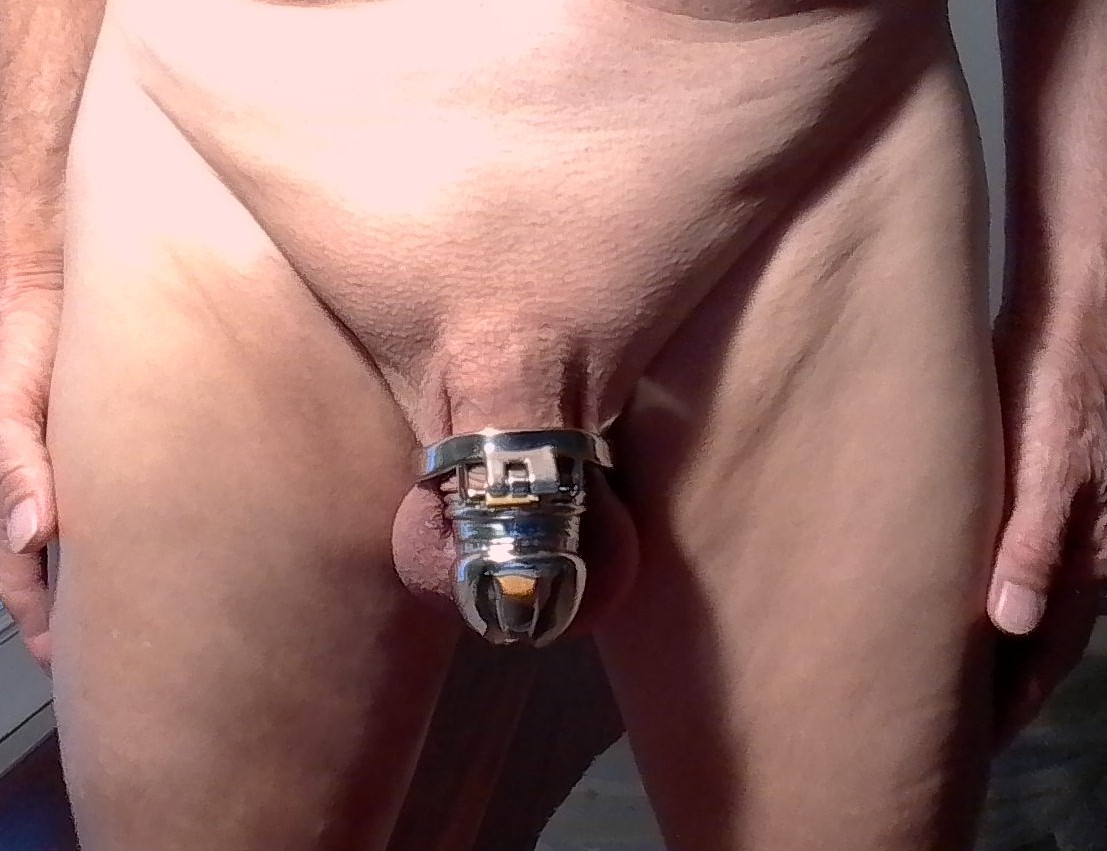
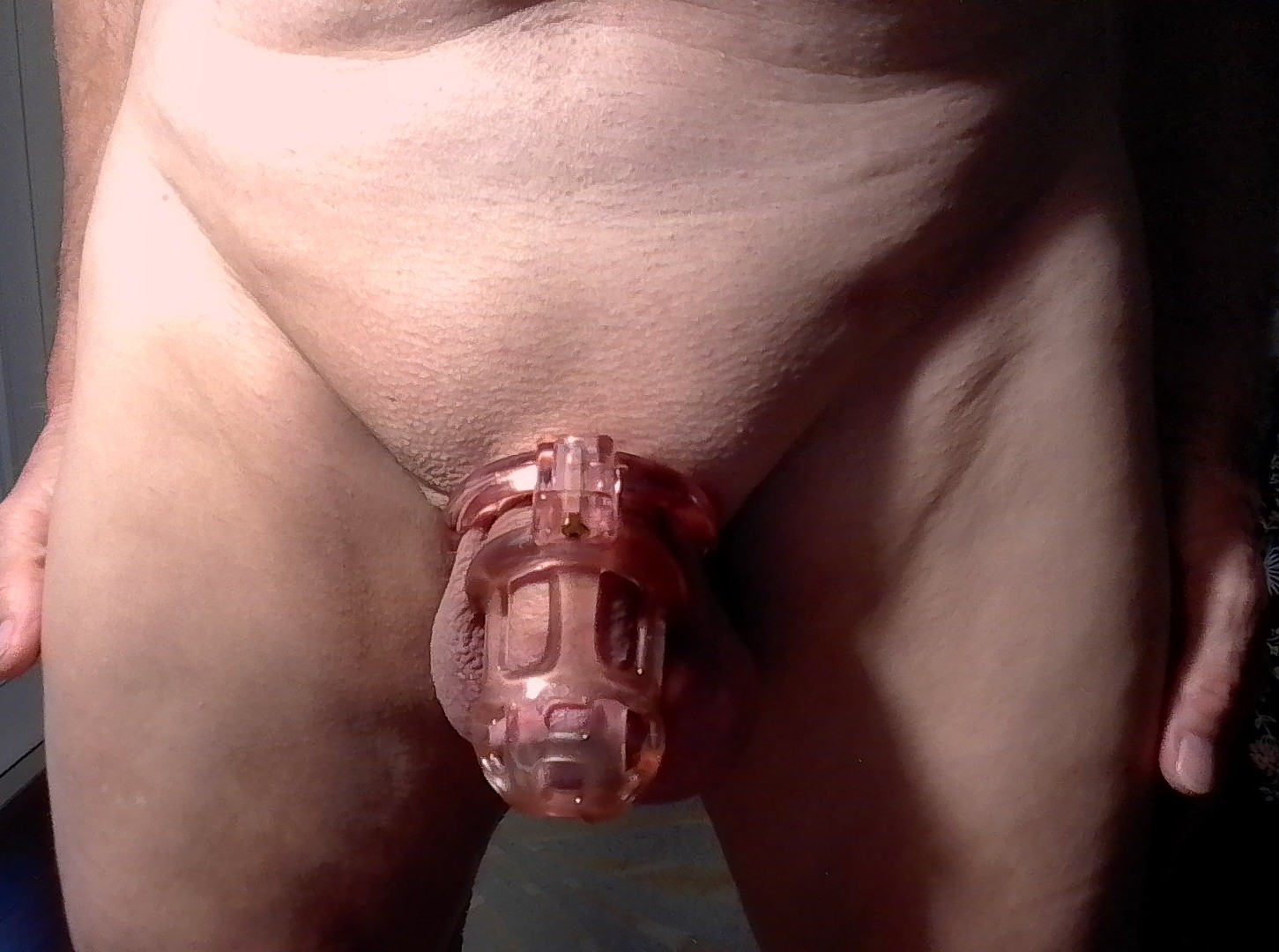










I’ve never been attracted to pain, and frankly try to avoid it in daily life, but this article has given me food for thought about the conditioning aspect of it. Thank you Mistress Heather!