





















The Erection Was Never the Source of Power

The Most Powerful Symbol Men Ever Claimed
An erection is, quite simply, the hardening and enlargement of the penis through increased blood flow. Yet for most of human history, the erection has represented far more than a biological function. The erect phallus has been elevated into one of civilization’s most enduring symbols of power, authority, conquest, fertility, and masculine dominance. Entire societies have built myths around it. Religions have incorporated it into their symbolism. Kings, warriors, emperors, and conquerors have all been associated with the idea of masculine virility as a reflection of their right to rule. Long before most people understood the mechanics of human reproduction, they understood the visual language of power, and few symbols communicated power more clearly than the erect penis.
The irony, of course, is that the erection itself possesses no power whatsoever.
The erection is flesh. It is blood. It is tissue responding to physical and psychological stimulation. Yet generation after generation of men have been taught that the erection represents something greater. It is portrayed as strength. It is portrayed as control. It is portrayed as evidence of masculinity itself. Even our everyday language reveals how deeply these associations have become embedded in society. Men are encouraged to be hard, firm, strong, and penetrating. Leadership is often described using language associated with masculine force. Sexual conquest is frequently linked to social status. The message has remained remarkably consistent across centuries: the one holding the erection is presumed to be the one holding the power.
As a dominant woman, I find that assumption fascinating.
The Illusion of Ownership
What many people fail to recognize is that symbols derive their power from collective agreement. Gold only has value because we agree that it does. Flags only carry meaning because people assign meaning to them. Crowns are merely decorative objects until society decides they represent authority. The erection operates in much the same way. Men did not become powerful because they possessed erections. Rather, society chose the erection as a symbol of male power and then spent thousands of years reinforcing that association.
Once you understand that distinction, the entire structure begins to wobble.
The phallus has been treated as proof of authority for so long that many people unconsciously assume the two are connected. Yet history provides countless examples of weak men possessing erections and powerful women ruling nations, directing armies, managing households, building businesses, and shaping cultures. The actual source of authority has never been the body part itself. Authority comes from confidence, competence, leadership, intelligence, influence, and the ability to direct others. The erection merely became the banner under which male authority marched.
That realization creates one of the most interesting psychological dynamics in all of Femdom.
Enter the Strap-On
One of the reasons so many submissive men struggle to explain the appeal of pegging and strap-on play is because they focus entirely on physical sensations. While physical pleasure certainly exists, I have long believed that the deeper appeal is psychological. The strap-on creates a visual and symbolic reversal that immediately challenges centuries of assumptions about power, gender, and authority.
When a woman straps on a dildo, she is not attempting to become a man. In fact, most dominant women I know would find that idea absurd. She remains entirely female. Her femininity has not diminished. Her womanhood has not changed. Yet she has claimed the symbol that men have historically treated as their exclusive badge of authority.
For perhaps the first time in his life, the submissive man sees a woman standing before him possessing the very thing society taught him was supposed to belong to men.
The symbolism is impossible to ignore.
Who Has the Erection Now?
The question that emerges during these moments is surprisingly simple: if the erection symbolizes power, then who possesses that power now?
The answer is standing right in front of him.
She decides when the erection appears. She decides when it is used. She decides how it is displayed. She determines its purpose and its meaning. The symbolic center of authority has shifted completely. The man who once possessed the biological erection now finds himself responding to a woman who controls the symbolic one.
Many submissive men describe this experience as surprisingly emotional. They often enter these situations expecting physical sensations to dominate the experience, only to discover that the deeper impact comes from the inversion itself. The script they have unconsciously carried their entire lives suddenly stops functioning. The assumptions they inherited about masculinity, power, and sexual authority are exposed as social constructs rather than natural laws.
For some men, that realization is uncomfortable.
For submissive men, it is often liberating.
The Female Erection
Over the years, I have jokingly referred to the strap-on as the “female erection,” though there is a serious point hidden within the humor. The strap-on reveals how arbitrary the traditional symbolism truly is. Men are taught that erections make them powerful. Yet the moment a woman confidently wears one, the symbolism follows her rather than remaining attached to the male body.
Why?
Because people instinctively understand that authority comes from the person wielding the symbol, not the symbol itself.
A queen holding a scepter commands attention because she is the queen. The scepter does not create her authority. A judge’s gavel carries significance because of the judge holding it. The gavel itself possesses no power. Likewise, a dominant woman does not become powerful because she wears a strap-on. Rather, the strap-on becomes powerful because she is already dominant.
The object has changed owners.
The authority has not.
Why This Matters Beyond Sex
What makes this symbolism particularly interesting is that it extends far beyond sexual activity. In healthy Female Led Relationships, authority exists whether anyone is naked or fully clothed. A woman does not stop being dominant because she leaves the bedroom. Her leadership continues during financial decisions, household management, emotional guidance, long-term planning, and countless other aspects of daily life.
The strap-on simply serves as a visual reminder of a larger truth.
The dominant woman is already leading.
The submissive man is already following.
The physical symbol becomes meaningful because it reflects an underlying reality. The power exchange existed before the strap-on appeared, and it continues after it is removed. The symbolism resonates because it reinforces something that is already present within the relationship.
That is why many experienced Femdom practitioners often describe pegging as less about penetration and more about authority. The physical act matters, certainly, but the psychological transformation is what leaves a lasting impression. The man is confronted with the possibility that everything he was taught about who should possess power may have been backwards all along.
Taking Back the Symbol
Perhaps the most beautiful aspect of Femdom is that it does not merely reject traditional symbols of power. Instead, it appropriates them. It takes the very things that society once used to justify male authority and places them firmly into female hands. Rather than arguing that the symbol is meaningless, Femdom asks a more interesting question: what happens when women claim ownership of it?
The answer is both simple and profound.
The illusion breaks.
The erection never created power.
The erection never guaranteed authority.
The erection never proved superiority.
People merely chose to believe those things.
When a woman confidently straps one on and assumes control of the situation, she demonstrates that the symbol can belong to anyone. Once that becomes obvious, the old assumptions begin to collapse. What remains is the truth that was there all along: authority belongs not to anatomy, but to the person willing and able to wield it.
The Real Power Was Never in the Penis
For thousands of years, men have wrapped themselves in the symbolism of the erection, treating it as proof of their right to lead, command, and dominate. Yet Femdom exposes a reality that many people instinctively recognize the moment they witness a truly confident dominant woman. Power was never stored in the penis. Authority was never generated by an erection. Leadership, control, influence, and dominance originate within the individual, not within a body part. The erection was simply a symbol, and symbols can change hands. When a woman claims that symbol for herself, whether through a strap-on or through the confidence with which she leads her relationship, she reveals the truth hiding underneath centuries of mythology. The erection may have been men’s favorite symbol of power, but power itself was always something entirely different.
FAQ
Why has the erection historically been associated with power?
Many cultures linked the erect phallus with fertility, strength, conquest, and masculine authority. Over time these associations became embedded in religion, politics, art, and social expectations.
Why do many submissive men find strap-on play psychologically powerful?
For many men, the appeal comes from the reversal of traditional power structures. The woman assumes control of a symbol historically associated with male authority, creating a profound shift in perspective.
Does a dominant woman become masculine when wearing a strap-on?
No. Most dominant women view the strap-on as an extension of their authority, not as a replacement for their femininity. The symbolism works precisely because she remains fully female while claiming a traditionally masculine symbol.
Is this symbolism relevant outside of sexual situations?
Absolutely. Many Female Led Relationships incorporate female leadership into everyday life. The symbolism often reflects a broader dynamic rather than existing solely during intimate moments.
What is the central lesson of this symbolism?
The central lesson is that authority comes from the individual, not from anatomy. The strap-on exposes how much power society has historically assigned to symbols rather than to the people who wield them.











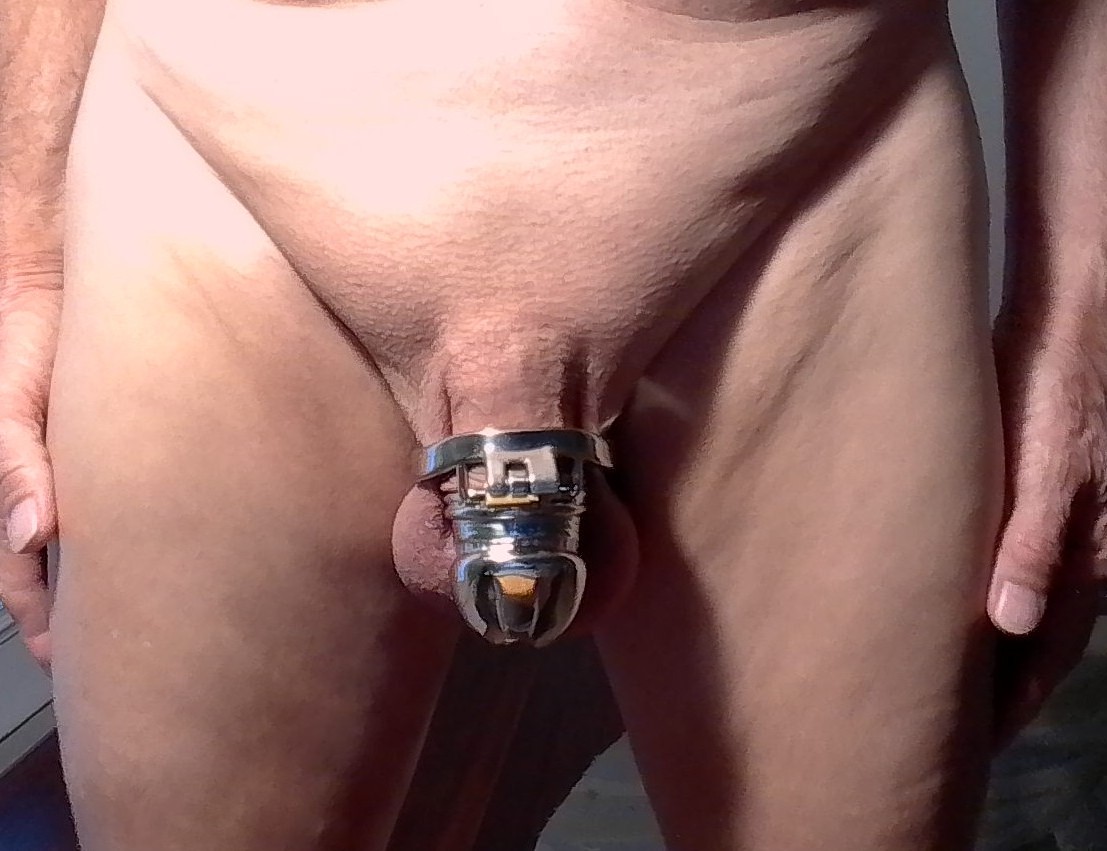










I have never seen my erections as any symbol of strength or dominance. Exactly the opposite: An erect penis is the ultimate statement of desperate need, utter weakness, and complete dependance on another, a female. Erectness drives me into total irrationality. It dissolves any vestige of dignity. It is a visible and comedic display of my state of utter helplessness. An erect man is a man expressing his absolute craving for female domination.
Thank you for putting into words what so many struggle to articulate. The physical aspect of pegging is often a footnote compared to the massive psychological shift that happens when the ‘script’ stops functioning. Realizing that the erection was merely a banner and not the source of power itself is incredibly liberating for a submissive man. It completely reframes the dynamic from a physical act to a profound acknowledgment of a Dominant woman’s inherent authority